
Engineering Solutions for Thermal Drying and Odor Control Across Diverse Industries
Odor Control Systems
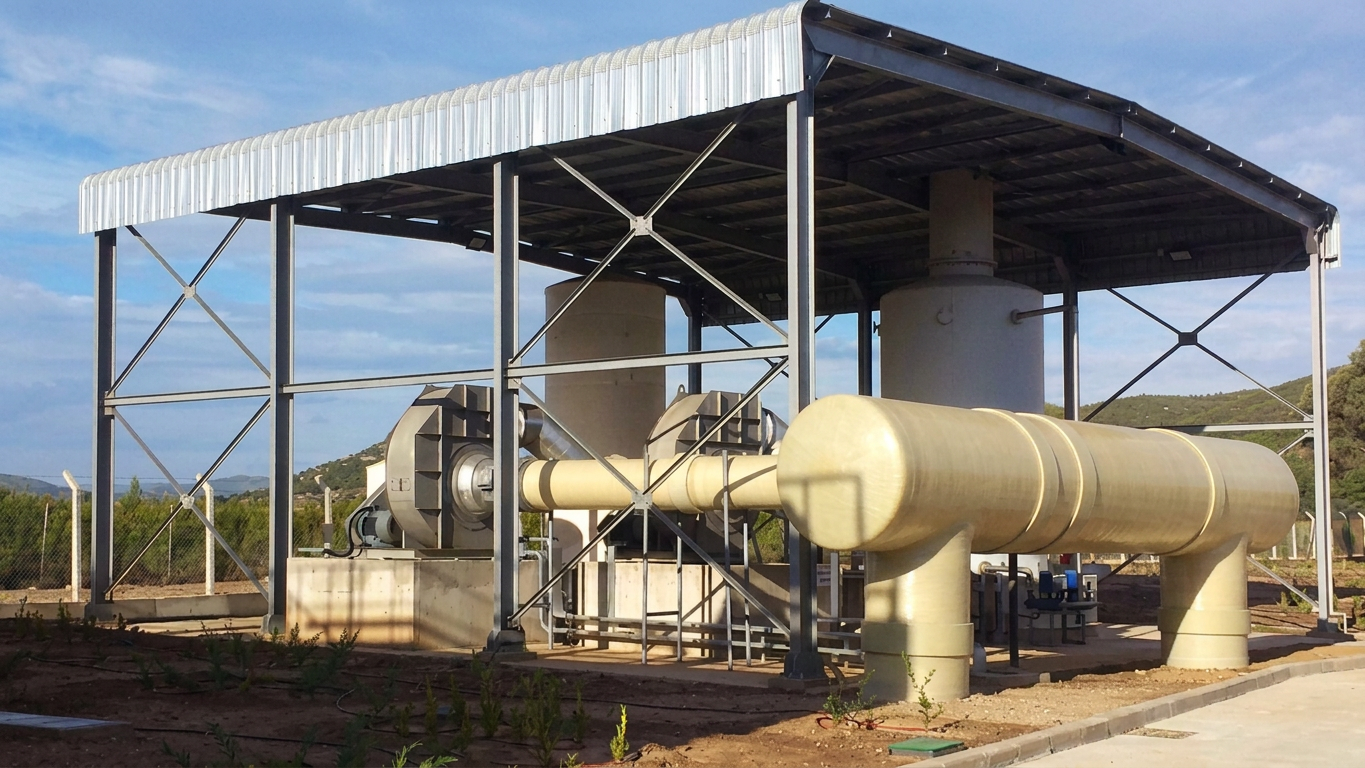
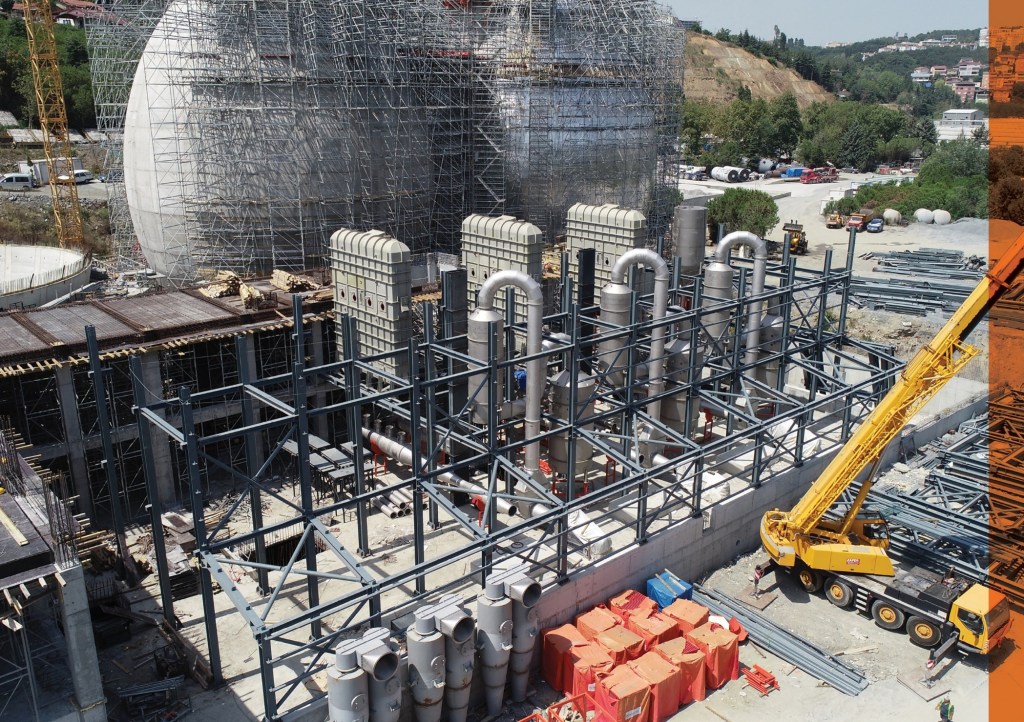
Odors from wastewater treatment plants, pumping stations, and industrial processes – mainly H₂S, mercaptans, ammonia, and volatile organic compounds – must be controlled for occupational health, equipment corrosion, and community nuisance. Our company designs and manufactures odor control solutions based on four technologies, chosen based on pollutant load, air flow rate, site conditions, and operating cost.
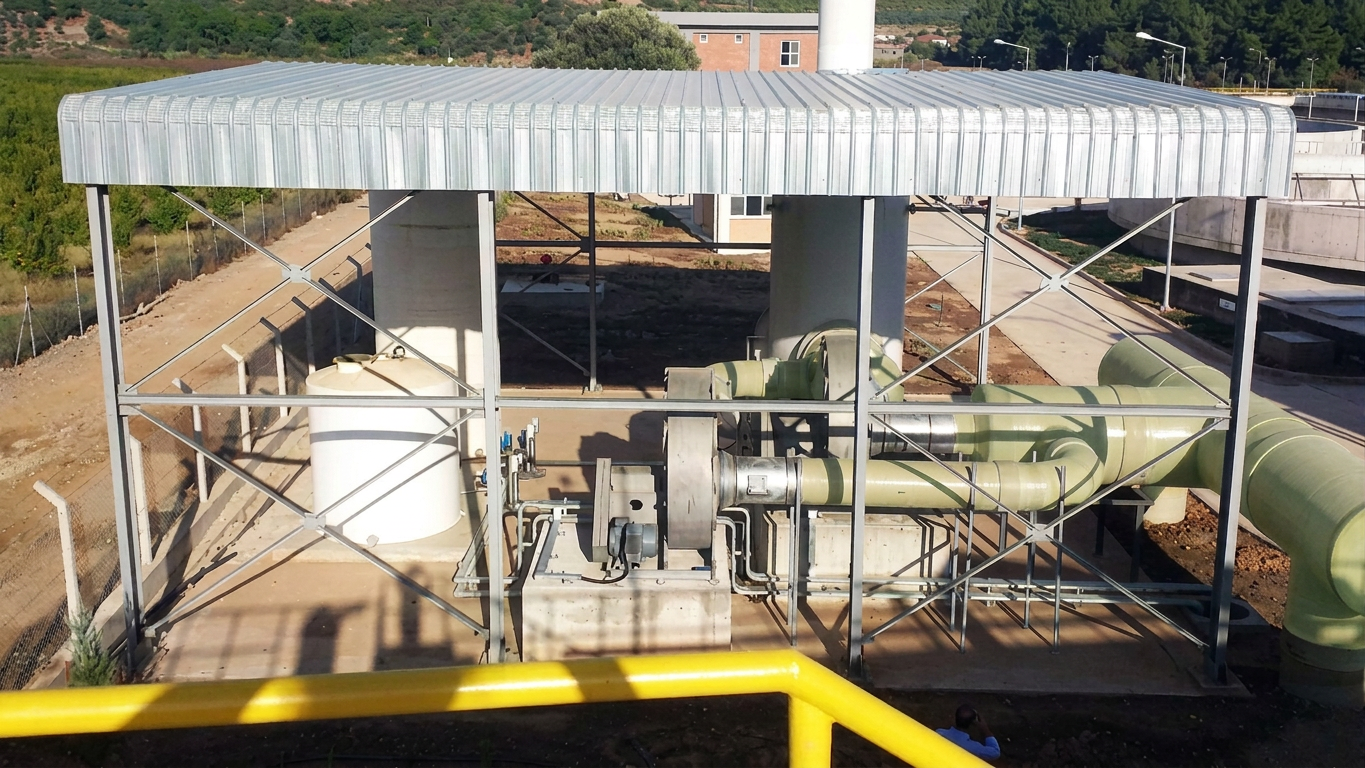
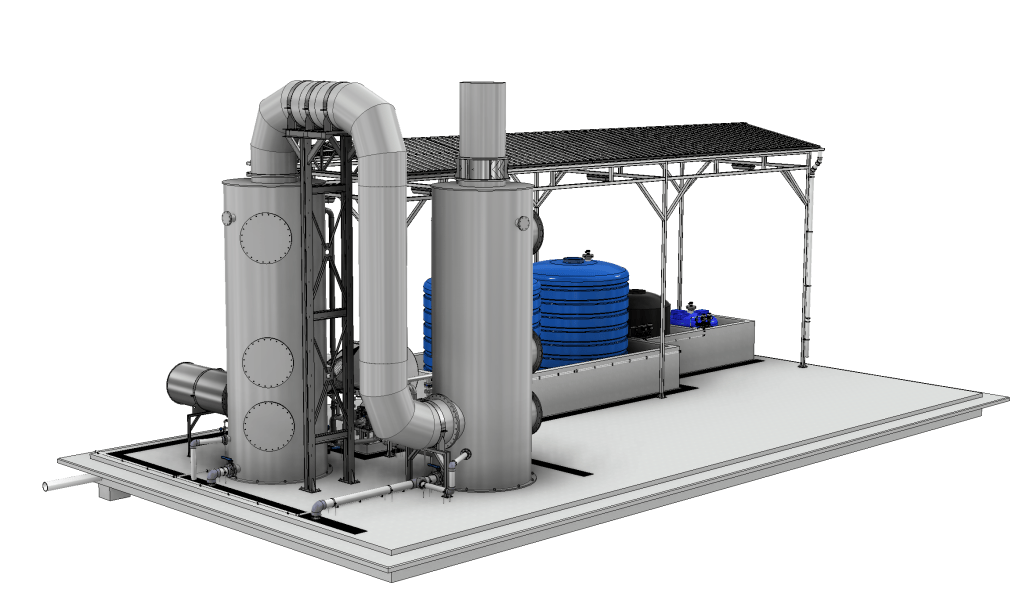
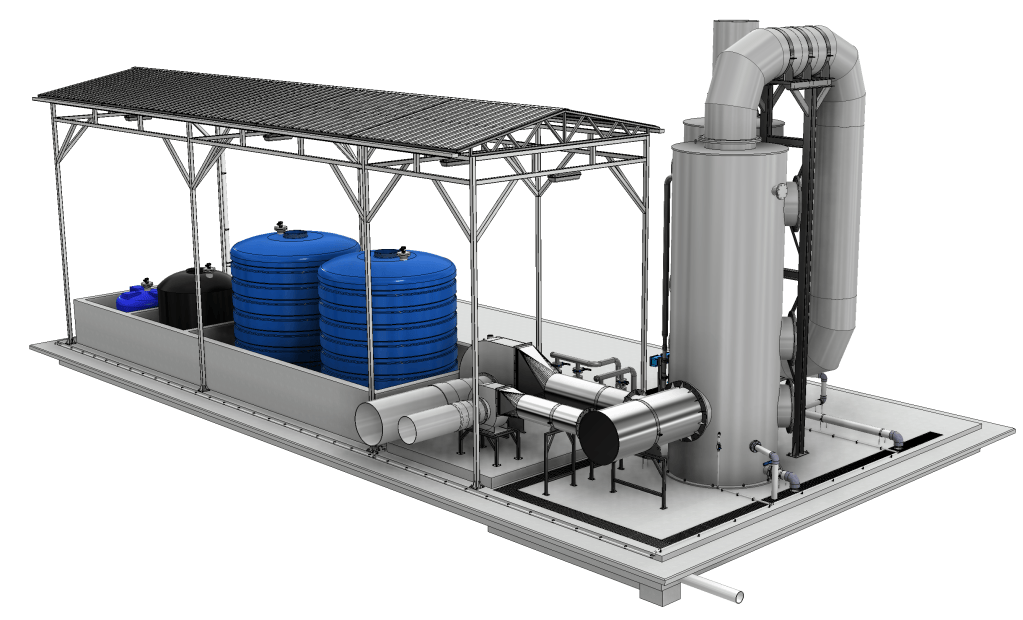
Chemical Scrubber — Foul air is washed counter-currently in a packed column with NaOH and NaOCl solution; H₂S is absorbed under alkaline conditions and oxidized to sulfate. The system responds rapidly and reliably to high concentrations and sudden load fluctuations, and is operated with pH- and ORP-controlled automatic chemical dosing. Single- or two-stage configurations for air flows of 500 – 30,000 m³/h; H₂S removal efficiency above 99%.
Biological Scrubber (Biotrickling Filter) — A biofilm established on high-surface-area synthetic structured packing is kept moist by recirculating liquid; H₂S and reduced sulfur compounds are oxidized by Thiobacillus bacteria. No chemical consumption and low operating cost; long service life under steady, low-to-medium loads. 500 – 20,000 m³/h, inlet H₂S up to 200 ppm, 95–99% removal.
Organic Media Biofilter — Foul air is passed through a bed of bark, wood chips or compost-based media and treated by the resident microbial population. Simple, low-energy and chemical-free; an economical solution for large-footprint open or enclosed bed applications. 1,000 – 50,000 m³/h, 30–60 s empty bed contact time; suited to extensive low-to-medium load sources such as tank covers and sludge storage areas.
Activated Carbon Adsorption — A granular activated carbon bed captures low-concentration odors and residual compounds carried over from upstream stages. Used as a stand-alone unit for low-load sources or as a final polishing stage; the bed is supported on a perforated plate and mesh system and replaced periodically based on breakthrough monitoring. 100 – 10,000 m³/h, outlet target below 1 ppm.
Fabrication and Operation — Systems are supplied as single- or two-stage hybrid vessels (e.g. biological + activated carbon), dimensioned within road transport limits. Vessels are fabricated in FRP or PP as standard, with AISI 316 stainless steel available on request. Where the unit operates within an existing plant, it is integrated into the plant SCADA; for stand-alone applications (pumping stations, remote sites) it is delivered fully autonomous with its own electrical control panel, PLC software, field instrumentation and remote monitoring infrastructure. Supplied turnkey, complete with fan, dosing, recirculation and automation equipment.
Static Fluid Bed Dryers
Static fluid bed dryers use upward-flowing hot air to suspend solid particles (powders or granules) in a fluid-like state, creating an efficient environment for drying various materials. Unlike vibrating models, the drying chamber remains completely stationary, relying entirely on air velocity and bed depth to circulate the material evenly. This design feature not only minimizes the mechanical wear and tear associated with moving parts but also allows for a gentle drying process, ensuring that the integrity of the particles is maintained. By carefully controlling the temperature and airflow, operators can achieve optimal moisture removal while preventing overheating, which is essential for preserving the quality of heat-sensitive substances. Moreover, static fluid bed dryers can accommodate a wide range of materials, making them a versatile choice in industries such as pharmaceuticals, food processing, and chemical manufacturing.
Low Temperature Belt Dryers
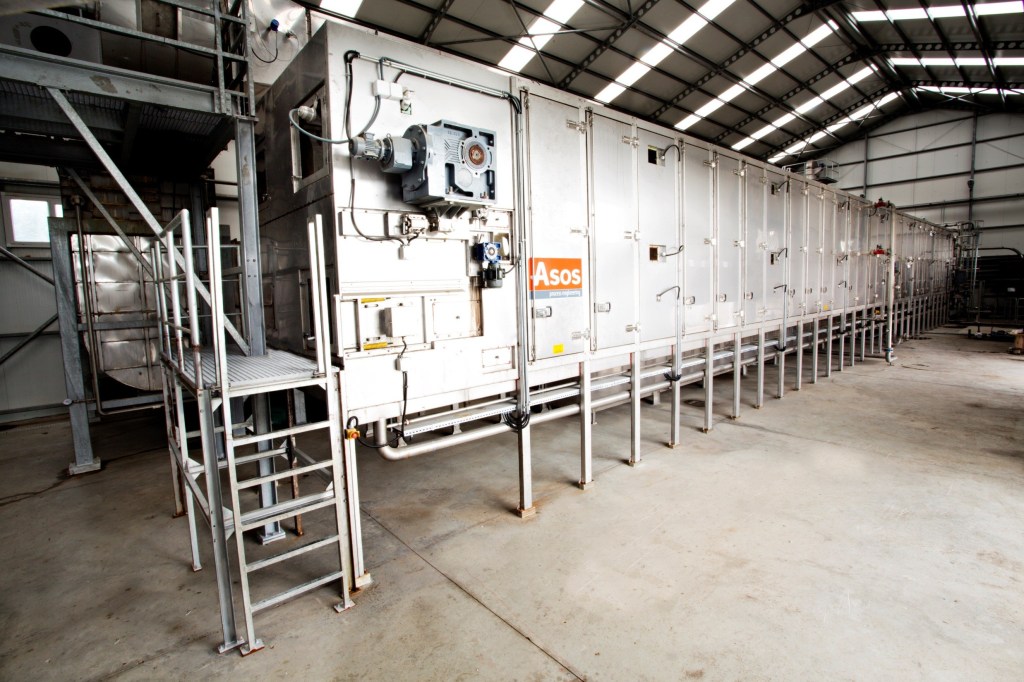
The adjustable belt system allows for different drying times to meet various material needs.
Made from durable special steel, the belt system is perfect for tough industrial use.
High flow circulation fans create efficient airflow for even drying and quicker processes.
Insulated cabins help maintain the right temperature, saving energy and reducing heat loss.
The compact, robust stainless steel design ensures long-lasting performance in difficult conditions.
With low maintenance needs and a long lifespan, this system offers a cost-effective solution for boosting productivity and efficiency.
Evaporators and Crystallizers
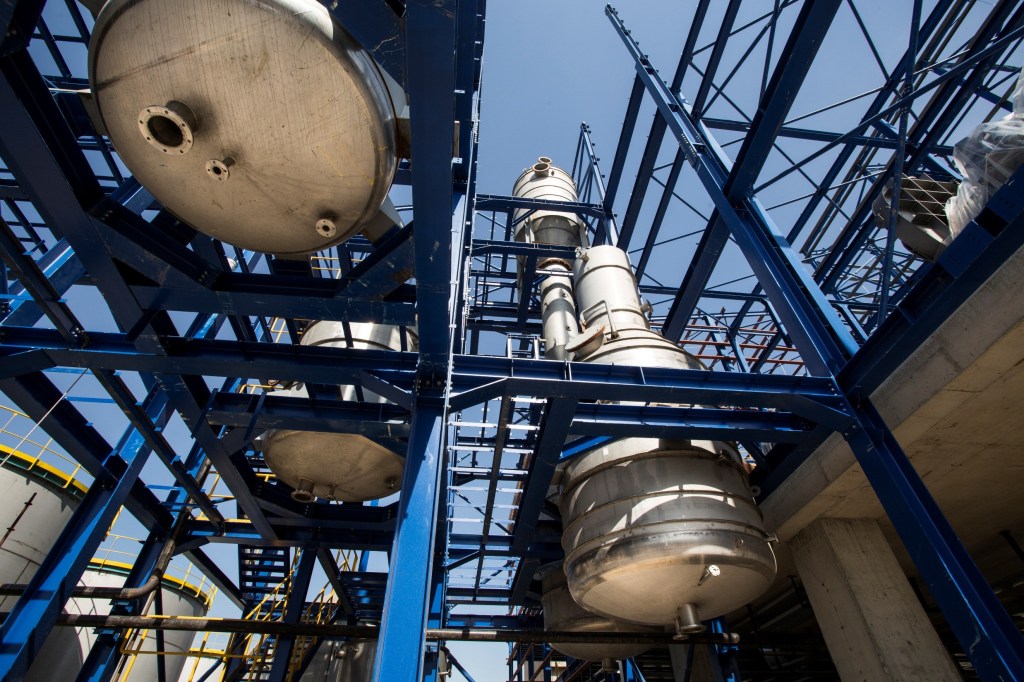
Forced Circulation (MSMPR) Crystallizers are essential in many industrial processes due to their efficiency and effectiveness in achieving uniform crystal size and high purity levels. These systems utilize a continuous flow mechanism that allows for better control over the crystallization process, ultimately leading to superior product quality.
Draft Tube Baffle (DTB) Crystallizers, on the other hand, incorporate specific design features that enhance mixing and flow patterns, which helps to reduce the settling of crystals and prevent agglomeration. This design is particularly beneficial in managing supersaturation levels and ensuring optimal crystal growth.
Oslo Type Continuous Vacuum Crystallizers represent a pivotal advancement in the crystallization process, providing a continuous operation that maximizes production rates while maintaining strict control over crystallization parameters. This type of crystallizer is particularly effective in applications requiring high production efficiency and can significantly lower operational costs by minimizing energy consumption and enhancing product yield.
Fluid Bed Dryers
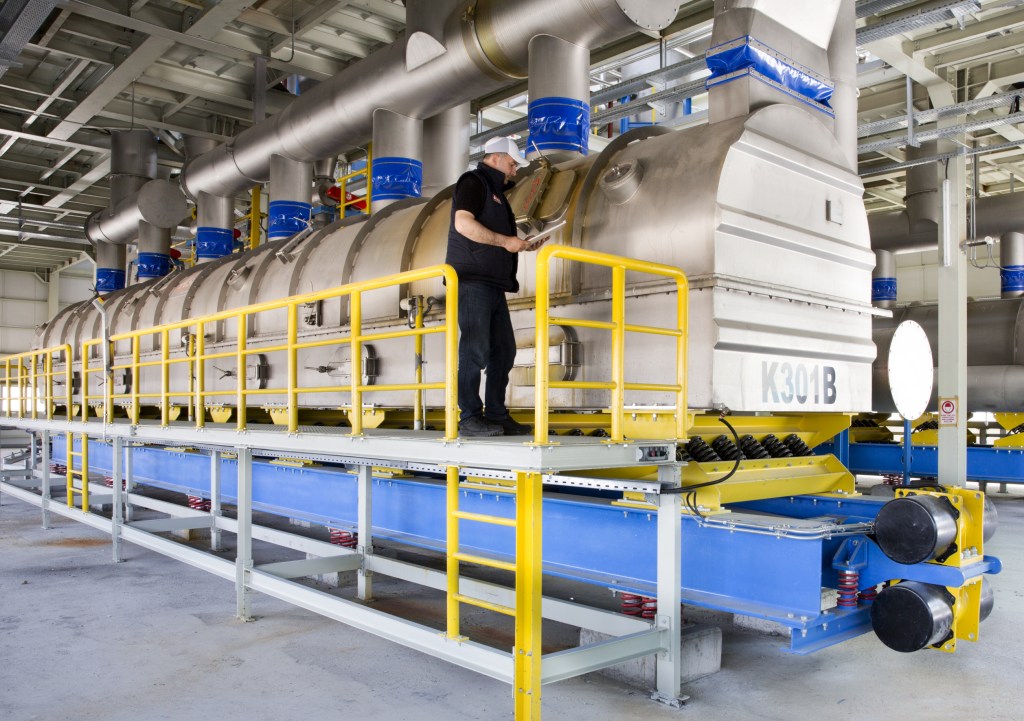
Shaking or Vibrating Type Fluid Bed Dryers are modern industrial machines that improve the drying of various materials. Unlike regular dryers, they use shaking or vibrating motion along with airflow and temperature control to efficiently remove moisture from granular or powdery substances. The shaking action ensures even distribution of the material in the drying chamber, allowing consistent exposure to hot air. This method is especially useful for heat-sensitive materials, reducing the risk of overheating while providing reliable results. Operators can also adjust vibration intensity and airflow rates to customize the drying process for different materials, making these dryers adaptable for use in food processing, pharmaceuticals, and chemical manufacturing.

Rotary Dryers
Directly or indirectly heated, industrial rotary drum dryers play a significant role in various sectors by efficiently removing moisture from bulk materials. These specialized dryers utilize a rotating cylindrical design that provides a large surface area for heat exchange, ensuring uniform drying. With their ability to process a wide range of materials, such as grains, fertilizers, and chemicals, they are indispensable in enhancing product quality and stability. Furthermore, the energy efficiency of these dryers is paramount, as they can be tailored to specific heating methods; whether using hot air, steam, or other heating mediums, rotary drum dryers optimize the drying process to minimize energy consumption while maximizing output.

